Buy marketing-online.eu ?
We are moving the project
marketing-online.eu .
Are you interested in purchasing the domain
marketing-online.eu ?
domain@kv-gmbh.de · 0541-91531010
Buy marketing-online.eu ?
What is the endosymbiont theory?
The endosymbiont theory proposes that eukaryotic cells, which make up plants, animals, fungi, and protists, evolved from a symbiotic relationship between different types of prokaryotic cells. Specifically, it suggests that mitochondria and chloroplasts within eukaryotic cells were once free-living bacteria that were engulfed by a larger host cell but instead of being digested, they formed a mutually beneficial relationship. This theory is supported by evidence such as the similarities between the DNA of mitochondria and chloroplasts with that of bacteria, as well as their ability to replicate independently within the cell. **
What evidence supports the endosymbiont theory?
Several pieces of evidence support the endosymbiont theory: 1. Mitochondria and chloroplasts have their own DNA, which is circular like bacterial DNA. This suggests that they were once free-living bacteria that were engulfed by a host cell. 2. Mitochondria and chloroplasts have their own ribosomes, which are similar to bacterial ribosomes. This indicates that they are capable of protein synthesis independently of the host cell. 3. Mitochondria and chloroplasts reproduce independently of the host cell through a process similar to bacterial binary fission. 4. The inner membranes of mitochondria and chloroplasts contain enzymes and transport systems that are similar to those found in bacteria. 5. Some protists have structures called hydrogenosomes and mitosomes, which are thought to be degenerate forms of mitochondria. This supports the idea that mitochondria evolved from free-living bacteria. Overall, these pieces of evidence provide strong support for the endosymbiont theory, which suggests that mitochondria and chloroplasts were once free-living bacteria that were engulfed by a host cell and eventually evolved into organelles. **

Similar search terms for Endosymbiont
Top-Angebote
Products related to Endosymbiont:
-
Lioness Games Biome Deluxe - Nature-Themed Strategy Game with Flora and Fauna Cards for Balanced Ecosystems, Includes Upgraded Components and Additional ContentBuild a thriving ecosystem with Biome Deluxe, a nature-themed strategy game where players develop balanced ecosystems by combining flora and fauna cards. Each decision affects the balance of your ecosystem, so carefully combine cards to create useful synergies, support your animals, and score points as your biome grows. The Deluxe edition includes upgraded components and additional content for a richer and more varied game experience. Key features include plastic-free pulp trays with lids for organized resource storage, screen-printed baby animal pieces, a bountiful biome mini-expansion, an exclusive fox starting-player token, and embossed box cover. Animal meeple tokens are also included for the point track. With its strategic gameplay and woodland-inspired theme, Biome Deluxe offers an engaging tabletop experience for players who enjoy building, planning, and creating.60,19 £*Shipping: 0,00 £Secure redirect to the provider
-
StayWell LCD Digital Skin Detector Pen Face Skin Tester, Smart Water Oil Fluorescent Content Facial Moisture Analyzer Skin Care LCD Digital Skin Detector Pen Face Skin Tester, Smart Water Oil Fluorescent Content Facial Moisture Analyzer Skin CareUnlock Your Best Skin Ever Experience precision skin analysis at home with the bold, clear LCD Digital Skin Detector Pen. No more guessingthis smart device measures moisture, oil balance, elasticity, and even detects harmful fluorescent agents in...44,97 $*Shipping: 0,00 $Secure redirect to the provider
-
Uplift Essentials Classic Wooden Shut The Box Dice Game 4 Player Strategy Board For Family & Social Gatherings multicolorBring a touch of traditional pubstyle fun to your home with this classic wooden dice game. Designed for up to four players, this dice board game is a fastpaced test of strategy and math that is easy to learn but difficult to master. Crafted from...60,97 $*Shipping: 0,00 $Secure redirect to the provider
-
Rupa Publications Post With Purpose: Building a Digital Presence Without Losing Yourself by John Nesbit - Paperback - Self-Help & Personal Branding Guide - NewPost With Purpose: Building a Digital Presence Without Losing Yourself is a practical guide for anyone feeling the strain of living life online. It addresses the modern dilemma of wanting to be seen and heard on social media while still holding on to a genuine sense of self. The book offers a grounded, values-led approach to building an audience, a brand, or a healthier relationship with the feed. Social media often promises connection but delivers comparison, burnout, and a sense that the 'real you' has been edited out of the picture. This book tackles this tension head-on, exploring why the internet rewards extremes over honesty and what that costs people trying to build a presence online. Rather than offering a generic growth playbook, it asks readers to reevaluate their approach to building a digital presence.2,99 £*Shipping: 2,99 £Secure redirect to the provider




-
Which data support the endosymbiont theory?
The endosymbiont theory is supported by several lines of evidence, including the similarities between mitochondria and chloroplasts and certain types of bacteria, the presence of their own DNA and ribosomes, and their ability to replicate independently within the host cell. Additionally, the phylogenetic analysis of mitochondrial and chloroplast DNA has shown that they are more closely related to certain groups of bacteria than to eukaryotic cells. Finally, the presence of double membranes in mitochondria and chloroplasts is consistent with the theory that they were once free-living bacteria that were engulfed by a host cell. **
-
What is meant by the endosymbiont theory?
The endosymbiont theory proposes that eukaryotic cells evolved from a symbiotic relationship between different types of prokaryotic cells. According to this theory, mitochondria and chloroplasts, which are organelles found in eukaryotic cells, were once free-living bacteria that were engulfed by a larger host cell. Over time, these bacteria formed a mutually beneficial relationship with the host cell, eventually becoming integrated into the cell and evolving into specialized organelles. This theory is supported by evidence such as the similarities between the DNA of mitochondria and chloroplasts and that of bacteria. **
-
How can the endosymbiont theory be proven?
The endosymbiont theory can be proven through a combination of evidence from molecular biology, genetics, and comparative genomics. One way to prove the theory is by comparing the genetic material of organelles like mitochondria and chloroplasts to that of free-living bacteria. If the genetic sequences are similar, it would support the idea that these organelles were once independent bacteria that were engulfed by a host cell. Additionally, studying the structure and function of these organelles can provide further evidence for their bacterial origins. Finally, experimental studies, such as observing the behavior of organelles in different environments, can also help to support the endosymbiont theory. **
-
Why is the endosymbiont theory spoken of?
The endosymbiont theory is spoken of because it provides a compelling explanation for the origin of eukaryotic cells. This theory suggests that eukaryotic cells evolved from a symbiotic relationship between different types of prokaryotic cells, with one cell engulfing another and forming a mutually beneficial partnership. This theory is important because it helps to explain the presence of organelles such as mitochondria and chloroplasts within eukaryotic cells, as well as the similarities between these organelles and certain types of bacteria. Overall, the endosymbiont theory has had a significant impact on our understanding of the evolution of complex life forms. **


How can the endosymbiont theory be explained simply?
The endosymbiont theory proposes that eukaryotic cells evolved from a symbiotic relationship between different types of prokaryotic cells. According to this theory, a larger host cell engulfed a smaller prokaryotic cell, forming a symbiotic relationship where the smaller cell provided energy through processes like photosynthesis or respiration. Over time, the smaller cell evolved into organelles like mitochondria and chloroplasts, which are now essential components of eukaryotic cells. This theory is supported by evidence such as the similarities between organelles and prokaryotic cells, as well as the presence of DNA within organelles. **
What does the endosymbiont theory state in biology?
The endosymbiont theory in biology states that eukaryotic cells, which make up plants, animals, fungi, and protists, evolved from a symbiotic relationship between different types of prokaryotic cells. Specifically, it proposes that mitochondria and chloroplasts, which are organelles found in eukaryotic cells, were once free-living bacteria that were engulfed by a larger host cell. Over time, these bacteria formed a mutually beneficial relationship with the host cell, eventually becoming permanent residents and evolving into the organelles we see today. This theory is supported by evidence such as the similarities between the DNA of mitochondria and chloroplasts and that of free-living bacteria, as well as their ability to replicate independently within the cell. **
Top-Angebote
Products related to Endosymbiont:
-
Various Publishers 22 Immutable Laws Branding, Marketing & Positioning 3 Book Set by Al Ries, Jack Trout & Laura Ries - Paperback Business Strategy ClassicsThis three-book paperback set brings together three influential marketing texts written by Al Ries alongside collaborators Jack Trout and Laura Ries. The collection distils decades of branding and marketing strategy into short, memorable 'laws' and case studies. The set includes The 22 Immutable Laws of Branding, The 22 Immutable Laws of Marketing, and Positioning: The Battle for Your Mind. Ideal for business students, entrepreneurs, marketers, and anyone building a brand, it's a practical, portable reference library that has shaped how the modern business world thinks about positioning, branding, and market leadership.28,99 £*Shipping: 2,99 £Secure redirect to the provider
-
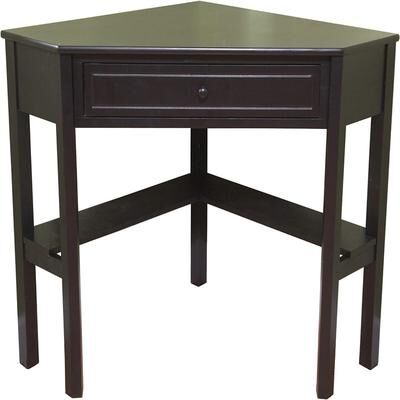
No Marketing Systems Wood Corner Desk"The corner desk measures 42"" X 28"" X 30"" And Weighs 42 lbs. Arrives with only minimal Assembly required. Comfortably fitting in any home, studio, apartment, and office, The small corner writing desk maximizes space in compact rooms."257,04 $*Shipping: 0,00 $Secure redirect to the provider
-
Lioness Games Biome Deluxe - Nature-Themed Strategy Game with Flora and Fauna Cards for Balanced Ecosystems, Includes Upgraded Components and Additional ContentBuild a thriving ecosystem with Biome Deluxe, a nature-themed strategy game where players develop balanced ecosystems by combining flora and fauna cards. Each decision affects the balance of your ecosystem, so carefully combine cards to create useful synergies, support your animals, and score points as your biome grows. The Deluxe edition includes upgraded components and additional content for a richer and more varied game experience. Key features include plastic-free pulp trays with lids for organized resource storage, screen-printed baby animal pieces, a bountiful biome mini-expansion, an exclusive fox starting-player token, and embossed box cover. Animal meeple tokens are also included for the point track. With its strategic gameplay and woodland-inspired theme, Biome Deluxe offers an engaging tabletop experience for players who enjoy building, planning, and creating.60,19 £*Shipping: 0,00 £Secure redirect to the provider
-
StayWell LCD Digital Skin Detector Pen Face Skin Tester, Smart Water Oil Fluorescent Content Facial Moisture Analyzer Skin Care LCD Digital Skin Detector Pen Face Skin Tester, Smart Water Oil Fluorescent Content Facial Moisture Analyzer Skin CareUnlock Your Best Skin Ever Experience precision skin analysis at home with the bold, clear LCD Digital Skin Detector Pen. No more guessingthis smart device measures moisture, oil balance, elasticity, and even detects harmful fluorescent agents in...44,97 $*Shipping: 0,00 $Secure redirect to the provider
-
What is the endosymbiont theory?
The endosymbiont theory proposes that eukaryotic cells, which make up plants, animals, fungi, and protists, evolved from a symbiotic relationship between different types of prokaryotic cells. Specifically, it suggests that mitochondria and chloroplasts within eukaryotic cells were once free-living bacteria that were engulfed by a larger host cell but instead of being digested, they formed a mutually beneficial relationship. This theory is supported by evidence such as the similarities between the DNA of mitochondria and chloroplasts with that of bacteria, as well as their ability to replicate independently within the cell. **
-
What evidence supports the endosymbiont theory?
Several pieces of evidence support the endosymbiont theory: 1. Mitochondria and chloroplasts have their own DNA, which is circular like bacterial DNA. This suggests that they were once free-living bacteria that were engulfed by a host cell. 2. Mitochondria and chloroplasts have their own ribosomes, which are similar to bacterial ribosomes. This indicates that they are capable of protein synthesis independently of the host cell. 3. Mitochondria and chloroplasts reproduce independently of the host cell through a process similar to bacterial binary fission. 4. The inner membranes of mitochondria and chloroplasts contain enzymes and transport systems that are similar to those found in bacteria. 5. Some protists have structures called hydrogenosomes and mitosomes, which are thought to be degenerate forms of mitochondria. This supports the idea that mitochondria evolved from free-living bacteria. Overall, these pieces of evidence provide strong support for the endosymbiont theory, which suggests that mitochondria and chloroplasts were once free-living bacteria that were engulfed by a host cell and eventually evolved into organelles. **
-
Which data support the endosymbiont theory?
The endosymbiont theory is supported by several lines of evidence, including the similarities between mitochondria and chloroplasts and certain types of bacteria, the presence of their own DNA and ribosomes, and their ability to replicate independently within the host cell. Additionally, the phylogenetic analysis of mitochondrial and chloroplast DNA has shown that they are more closely related to certain groups of bacteria than to eukaryotic cells. Finally, the presence of double membranes in mitochondria and chloroplasts is consistent with the theory that they were once free-living bacteria that were engulfed by a host cell. **
-
What is meant by the endosymbiont theory?
The endosymbiont theory proposes that eukaryotic cells evolved from a symbiotic relationship between different types of prokaryotic cells. According to this theory, mitochondria and chloroplasts, which are organelles found in eukaryotic cells, were once free-living bacteria that were engulfed by a larger host cell. Over time, these bacteria formed a mutually beneficial relationship with the host cell, eventually becoming integrated into the cell and evolving into specialized organelles. This theory is supported by evidence such as the similarities between the DNA of mitochondria and chloroplasts and that of bacteria. **
Similar search terms for Endosymbiont
-
Uplift Essentials Classic Wooden Shut The Box Dice Game 4 Player Strategy Board For Family & Social Gatherings multicolorBring a touch of traditional pubstyle fun to your home with this classic wooden dice game. Designed for up to four players, this dice board game is a fastpaced test of strategy and math that is easy to learn but difficult to master. Crafted from...60,97 $*Shipping: 0,00 $Secure redirect to the provider
-
Rupa Publications Post With Purpose: Building a Digital Presence Without Losing Yourself by John Nesbit - Paperback - Self-Help & Personal Branding Guide - NewPost With Purpose: Building a Digital Presence Without Losing Yourself is a practical guide for anyone feeling the strain of living life online. It addresses the modern dilemma of wanting to be seen and heard on social media while still holding on to a genuine sense of self. The book offers a grounded, values-led approach to building an audience, a brand, or a healthier relationship with the feed. Social media often promises connection but delivers comparison, burnout, and a sense that the 'real you' has been edited out of the picture. This book tackles this tension head-on, exploring why the internet rewards extremes over honesty and what that costs people trying to build a presence online. Rather than offering a generic growth playbook, it asks readers to reevaluate their approach to building a digital presence.2,99 £*Shipping: 2,99 £Secure redirect to the provider
-
Capcom Street Fighter 6 Collector's Edition for Xbox Series X (Disc) - Fighting Game with Collector's Box and Digital ContentGet ready to take the fight to the streets with Street Fighter 6, now available for Xbox Series X. This game brings three distinctive ways to play: traditional and feature-rich battles in Fighting Ground, an immersive single-player journey in World Tour, and the Battle Hub where you can meet other players. The Collector's Edition includes the game and a selection of display pieces in a distinctive Mad Gear storage box. Key features include a physical game disc, POP UP PARADE figures of Luke and Kimberly, a Street Fighter 6 artbook, character-themed sticker set, figure diorama display boards, and a Year 1 Ultimate Pass digital content. The digital content expands the roster with four additional characters, adds character colours, outfits, two stages, and 7,700 Drive Tickets. Street Fighter 6 is powered by Capcom’s RE ENGINE, combining established gameplay with new features.81,69 £*Shipping: 0,00 £Secure redirect to the provider
-
GlowBake Advanced Skin Tester, Face Skin Moisture & Oil Content Analyzer Advanced Skin Tester, Face Skin Moisture & Oil Content AnalyzerDiscover your skins true condition with our advanced Skin Tester a compact yet powerful face skin analyzer designed to measure moisture, oil content, skin water, cheek elastic quality, and even estimate skin age in seconds. Ideal for home use or pro...27,97 $*Shipping: 0,00 $Secure redirect to the provider
-
How can the endosymbiont theory be proven?
The endosymbiont theory can be proven through a combination of evidence from molecular biology, genetics, and comparative genomics. One way to prove the theory is by comparing the genetic material of organelles like mitochondria and chloroplasts to that of free-living bacteria. If the genetic sequences are similar, it would support the idea that these organelles were once independent bacteria that were engulfed by a host cell. Additionally, studying the structure and function of these organelles can provide further evidence for their bacterial origins. Finally, experimental studies, such as observing the behavior of organelles in different environments, can also help to support the endosymbiont theory. **
-
Why is the endosymbiont theory spoken of?
The endosymbiont theory is spoken of because it provides a compelling explanation for the origin of eukaryotic cells. This theory suggests that eukaryotic cells evolved from a symbiotic relationship between different types of prokaryotic cells, with one cell engulfing another and forming a mutually beneficial partnership. This theory is important because it helps to explain the presence of organelles such as mitochondria and chloroplasts within eukaryotic cells, as well as the similarities between these organelles and certain types of bacteria. Overall, the endosymbiont theory has had a significant impact on our understanding of the evolution of complex life forms. **
-
How can the endosymbiont theory be explained simply?
The endosymbiont theory proposes that eukaryotic cells evolved from a symbiotic relationship between different types of prokaryotic cells. According to this theory, a larger host cell engulfed a smaller prokaryotic cell, forming a symbiotic relationship where the smaller cell provided energy through processes like photosynthesis or respiration. Over time, the smaller cell evolved into organelles like mitochondria and chloroplasts, which are now essential components of eukaryotic cells. This theory is supported by evidence such as the similarities between organelles and prokaryotic cells, as well as the presence of DNA within organelles. **
-
What does the endosymbiont theory state in biology?
The endosymbiont theory in biology states that eukaryotic cells, which make up plants, animals, fungi, and protists, evolved from a symbiotic relationship between different types of prokaryotic cells. Specifically, it proposes that mitochondria and chloroplasts, which are organelles found in eukaryotic cells, were once free-living bacteria that were engulfed by a larger host cell. Over time, these bacteria formed a mutually beneficial relationship with the host cell, eventually becoming permanent residents and evolving into the organelles we see today. This theory is supported by evidence such as the similarities between the DNA of mitochondria and chloroplasts and that of free-living bacteria, as well as their ability to replicate independently within the cell. **
* All prices are inclusive of VAT and, if applicable, plus shipping costs. The offer information is based on the details provided by the respective shop and is updated through automated processes. Real-time updates do not occur, so deviations can occur in individual cases. ** Note: Parts of this content were created by AI.