Buy marketing-online.eu ?
We are moving the project
marketing-online.eu .
Are you interested in purchasing the domain
marketing-online.eu ?
domain@kv-gmbh.de · 0541-91531010
Buy marketing-online.eu ?
What is the shelf life of sea salt?
The shelf life of sea salt is virtually indefinite if stored in a cool, dry place and kept away from moisture. Because sea salt is a mineral and does not contain any moisture, it does not spoil or expire. However, over time, sea salt may clump together due to exposure to moisture in the air, but it can still be used by breaking up the clumps. Therefore, when stored properly, sea salt can be used for an extended period of time without losing its quality. **
Where do you encounter salt in everyday life?
You encounter salt in everyday life in various ways. For example, you use it in cooking to enhance the flavor of your food. You may also encounter salt in the form of table salt, which you sprinkle on your meals. Additionally, salt is often found in processed foods and snacks as a preservative and flavor enhancer. Finally, you may encounter salt in the form of de-icing agents on roads and sidewalks during the winter months. **

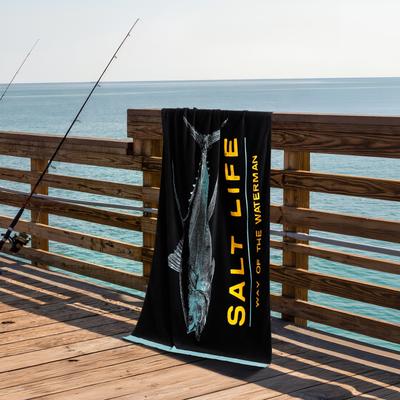
Similar search terms for Salt-Life-Chase-The
Top-Angebote
Products related to Salt-Life-Chase-The:




-
Why does salt have a minimum shelf life?
Salt has a minimum shelf life because it is a natural mineral that is hygroscopic, meaning it absorbs moisture from the air. This can cause the salt to clump together and become less free-flowing over time. Additionally, exposure to moisture can lead to the growth of bacteria or other microorganisms, which can degrade the quality of the salt. Proper storage in a dry, airtight container can help extend the shelf life of salt. **
-
Which sea has the highest salt content?
The Red Sea has the highest salt content among all the seas in the world. It is known for its high salinity levels due to its high evaporation rate and limited connection to other bodies of water. The Red Sea's salinity can reach up to 41 parts per thousand, making it one of the saltiest bodies of water on Earth. **
-
What is the salt content in the blood?
The salt content in the blood, also known as the blood sodium level, is typically around 135-145 milliequivalents per liter (mEq/L). Sodium is the primary salt found in the blood and plays a crucial role in maintaining the body's fluid balance and nerve function. Abnormal levels of blood sodium can indicate various health conditions and may require medical attention. **
-
What is the salt content in the air?
The salt content in the air, also known as salinity, varies depending on the location. Coastal areas typically have higher salt content in the air due to the proximity to the ocean and the presence of sea spray. Inland areas generally have lower salt content in the air. The salt content in the air can have effects on the environment, such as corrosion of buildings and infrastructure in coastal regions. **


Will the labyrinth chase you?
No, a labyrinth will not chase you. Labyrinths are stationary structures typically used for meditation, reflection, or as a form of walking meditation. They are designed to be walked through at a leisurely pace, allowing individuals to focus on their thoughts and feelings as they navigate the winding paths. The idea of a labyrinth chasing someone is more commonly found in myths or fictional stories rather than in reality. **
What is the salt content in the Dead Sea?
The Dead Sea is one of the saltiest bodies of water in the world, with a salt content of around 30%. This high salt concentration is due to the fact that the Dead Sea has no outlet, causing water to evaporate and leave behind minerals and salts. The high salt content is what allows people to float effortlessly on the surface of the water. **
Top-Angebote
Products related to Salt-Life-Chase-The:
-
What is the shelf life of sea salt?
The shelf life of sea salt is virtually indefinite if stored in a cool, dry place and kept away from moisture. Because sea salt is a mineral and does not contain any moisture, it does not spoil or expire. However, over time, sea salt may clump together due to exposure to moisture in the air, but it can still be used by breaking up the clumps. Therefore, when stored properly, sea salt can be used for an extended period of time without losing its quality. **
-
Where do you encounter salt in everyday life?
You encounter salt in everyday life in various ways. For example, you use it in cooking to enhance the flavor of your food. You may also encounter salt in the form of table salt, which you sprinkle on your meals. Additionally, salt is often found in processed foods and snacks as a preservative and flavor enhancer. Finally, you may encounter salt in the form of de-icing agents on roads and sidewalks during the winter months. **
-
Why does salt have a minimum shelf life?
Salt has a minimum shelf life because it is a natural mineral that is hygroscopic, meaning it absorbs moisture from the air. This can cause the salt to clump together and become less free-flowing over time. Additionally, exposure to moisture can lead to the growth of bacteria or other microorganisms, which can degrade the quality of the salt. Proper storage in a dry, airtight container can help extend the shelf life of salt. **
-
Which sea has the highest salt content?
The Red Sea has the highest salt content among all the seas in the world. It is known for its high salinity levels due to its high evaporation rate and limited connection to other bodies of water. The Red Sea's salinity can reach up to 41 parts per thousand, making it one of the saltiest bodies of water on Earth. **
Similar search terms for Salt-Life-Chase-The
-
What is the salt content in the blood?
The salt content in the blood, also known as the blood sodium level, is typically around 135-145 milliequivalents per liter (mEq/L). Sodium is the primary salt found in the blood and plays a crucial role in maintaining the body's fluid balance and nerve function. Abnormal levels of blood sodium can indicate various health conditions and may require medical attention. **
-
What is the salt content in the air?
The salt content in the air, also known as salinity, varies depending on the location. Coastal areas typically have higher salt content in the air due to the proximity to the ocean and the presence of sea spray. Inland areas generally have lower salt content in the air. The salt content in the air can have effects on the environment, such as corrosion of buildings and infrastructure in coastal regions. **
-
Will the labyrinth chase you?
No, a labyrinth will not chase you. Labyrinths are stationary structures typically used for meditation, reflection, or as a form of walking meditation. They are designed to be walked through at a leisurely pace, allowing individuals to focus on their thoughts and feelings as they navigate the winding paths. The idea of a labyrinth chasing someone is more commonly found in myths or fictional stories rather than in reality. **
-
What is the salt content in the Dead Sea?
The Dead Sea is one of the saltiest bodies of water in the world, with a salt content of around 30%. This high salt concentration is due to the fact that the Dead Sea has no outlet, causing water to evaporate and leave behind minerals and salts. The high salt content is what allows people to float effortlessly on the surface of the water. **
* All prices are inclusive of VAT and, if applicable, plus shipping costs. The offer information is based on the details provided by the respective shop and is updated through automated processes. Real-time updates do not occur, so deviations can occur in individual cases. ** Note: Parts of this content were created by AI.